
Understanding Anxiety: Professional Insights and Strategies


Understanding Anxiety: An Overview
Anxiety is a common emotional response to stress and can manifest in various ways. It is characterized by feelings of tension, worried thoughts, and physical changes such as increased blood pressure. While everyone experiences anxiety from time to time, for some, it can become a persistent issue that affects daily life.

What Causes Anxiety?
The causes of anxiety are multifaceted and can include a combination of genetic, environmental, psychological, and developmental factors. Common triggers include stress from work, school, personal relationships, or financial difficulties. Sometimes, underlying medical conditions can also contribute to anxiety symptoms.
Understanding the root cause of anxiety is crucial for developing effective coping strategies. It's important to recognize that anxiety disorders are among the most treatable mental health conditions.
Symptoms of Anxiety
While symptoms can vary, common signs of anxiety include:
- Restlessness or feeling on edge
- Increased heart rate
- Rapid breathing
- Difficulty concentrating
- Sleep disturbances
Professional Insights on Managing Anxiety
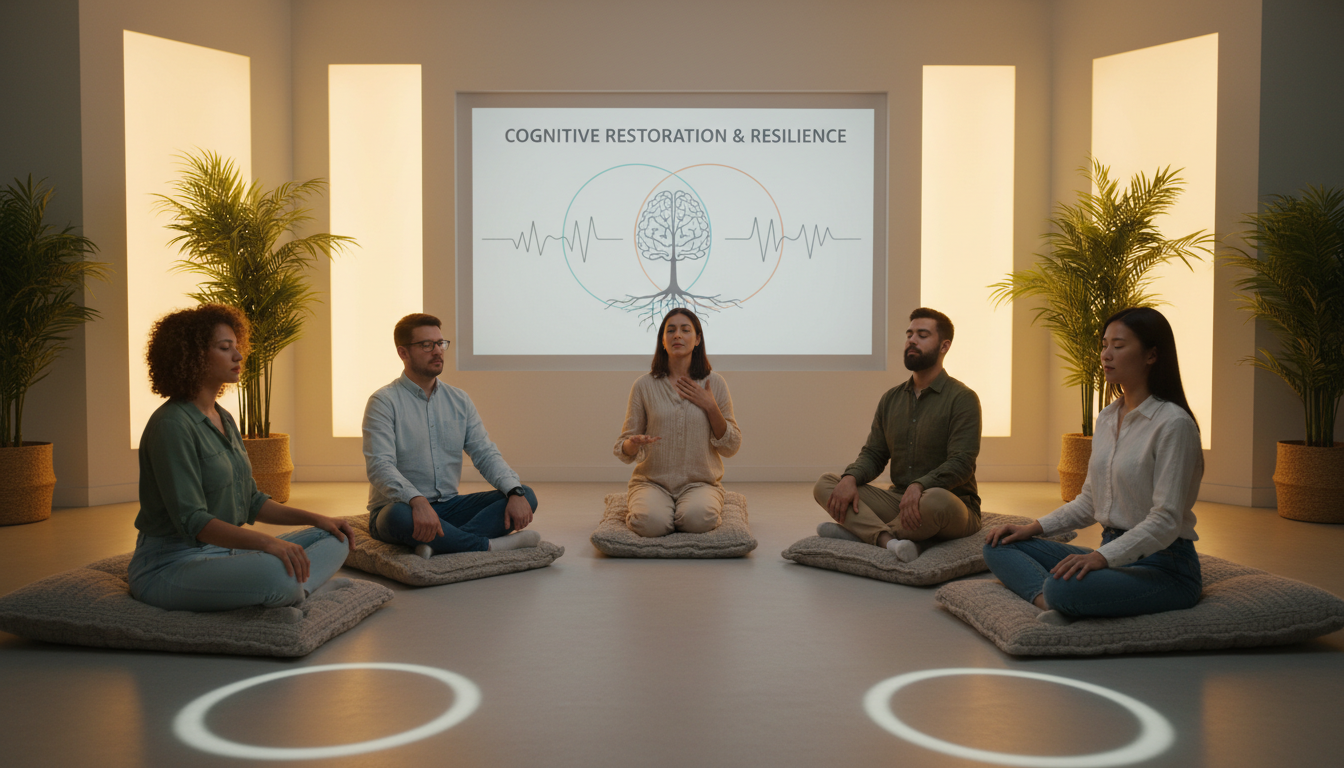
Professionals recommend a variety of strategies to manage anxiety effectively. Cognitive-behavioral therapy (CBT) is often considered the gold standard for treating anxiety disorders. This therapeutic approach helps individuals identify and change negative thought patterns that contribute to their anxiety.
Medication can also be a part of the treatment plan. Antidepressants and anti-anxiety medications are commonly prescribed and can be effective in reducing symptoms. However, it's essential to consult with a healthcare provider to determine the best course of action.
Practical Strategies for Coping with Anxiety
In addition to professional help, there are several self-care techniques that can support anxiety management:
- Regular exercise: Physical activity can help reduce stress and improve mood.
- Mindfulness and meditation: These practices can help calm the mind and reduce anxiety.
- Healthy lifestyle: Adequate sleep, balanced diet, and avoiding caffeine can make a significant difference.
- Social support: Connecting with friends and family can provide emotional support and reduce feelings of isolation.
When to Seek Professional Help
While self-care strategies can be effective, it's important to seek professional help if anxiety becomes overwhelming or interferes with daily activities. A mental health professional can provide a comprehensive assessment and tailor a treatment plan to meet individual needs.
Remember, seeking help is a sign of strength, not weakness. With the right support, managing anxiety is possible, leading to a healthier and more fulfilling life.