
Trends in Counselling: Embracing New Therapies


Introduction to Modern Counselling Trends
The field of counselling is continuously evolving, embracing new methods and technologies to better serve clients. Today, therapists are exploring a variety of innovative approaches that cater to the diverse needs of individuals seeking support. This shift reflects a broader trend towards personalized and holistic care.
As mental health awareness grows, so does the demand for therapies that go beyond traditional talk therapy. Let's explore some of the emerging trends in counselling that are reshaping the landscape.

Technology-Driven Therapies
In the digital age, technology plays a crucial role in expanding access to mental health services. Online counselling platforms and mental health apps have made therapy more accessible and convenient, especially for those in remote areas. These tools also offer anonymity, which can encourage more people to seek help.
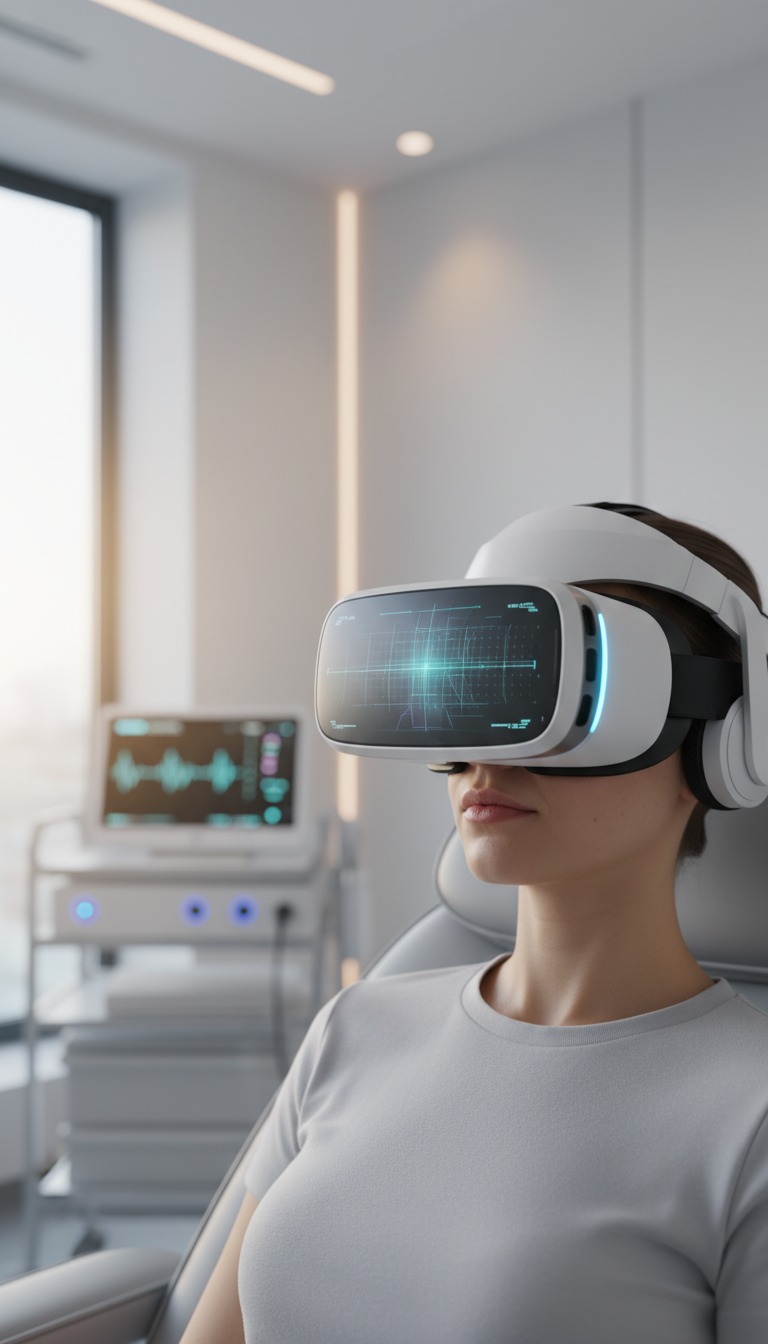
Virtual reality (VR) therapy is another exciting development. By immersing clients in a controlled virtual environment, VR therapy can effectively treat conditions such as PTSD and anxiety disorders. This innovative approach allows individuals to confront and process difficult emotions in a safe space.
Mindfulness and Holistic Approaches
Mindfulness practices have gained popularity as an effective therapeutic tool. Techniques such as meditation, deep breathing, and yoga are increasingly integrated into counselling sessions. These practices help clients develop greater self-awareness and manage stress more effectively.
Holistic approaches often focus on the connection between mind, body, and spirit. Therapies such as art and music therapy provide creative outlets for expression, aiding in emotional healing and personal growth.
Trauma-Informed Care
Understanding the impact of trauma is essential in modern counselling. Trauma-informed care emphasizes safety, trustworthiness, and empowerment, creating a supportive environment for healing. Therapists are trained to recognize the signs of trauma and adapt their methods accordingly.
Eye Movement Desensitization and Reprocessing (EMDR) is one such method gaining traction. It helps clients process traumatic memories through guided eye movements, reducing the distress associated with these memories.
Embracing Diversity in Therapy
Today's counsellors are increasingly aware of the importance of cultural competence. Acknowledging and respecting diverse backgrounds and experiences is crucial in building trust and rapport with clients. Therapists are receiving training to better understand the unique challenges faced by different communities.
By embracing diversity, counselling becomes more inclusive and effective, ensuring that all individuals receive the care they need.

Conclusion: The Future of Counselling
The trends in counselling reflect a dynamic and responsive field that is committed to meeting the evolving needs of clients. By embracing new therapies and approaches, counsellors are better equipped to provide personalized, effective care.
As these trends continue to develop, the future of counselling looks promising, with the potential to transform lives and promote mental well-being on a broader scale.