
Seasonal Depression: Coping Strategies for the Winter Blues


Understanding Seasonal Depression
Seasonal depression, often referred to as Seasonal Affective Disorder (SAD), is a type of depression that occurs at a specific time of year, usually during the winter months. It can affect your mood, energy levels, and overall mental health. Understanding the causes and symptoms is the first step in managing this condition effectively.
The shorter days and reduced sunlight can disrupt your body's internal clock, leading to feelings of depression. Common symptoms include low energy, trouble sleeping, and changes in appetite or weight. Recognizing these signs early can help you take proactive steps to combat the winter blues.

Strategies to Cope with Seasonal Depression
Maximize Your Exposure to Sunlight
One of the most effective ways to counteract seasonal depression is to increase your exposure to natural light. Try to spend more time outdoors during daylight hours, and keep your home well-lit. Open curtains and blinds to let in as much natural light as possible.
Consider Light Therapy
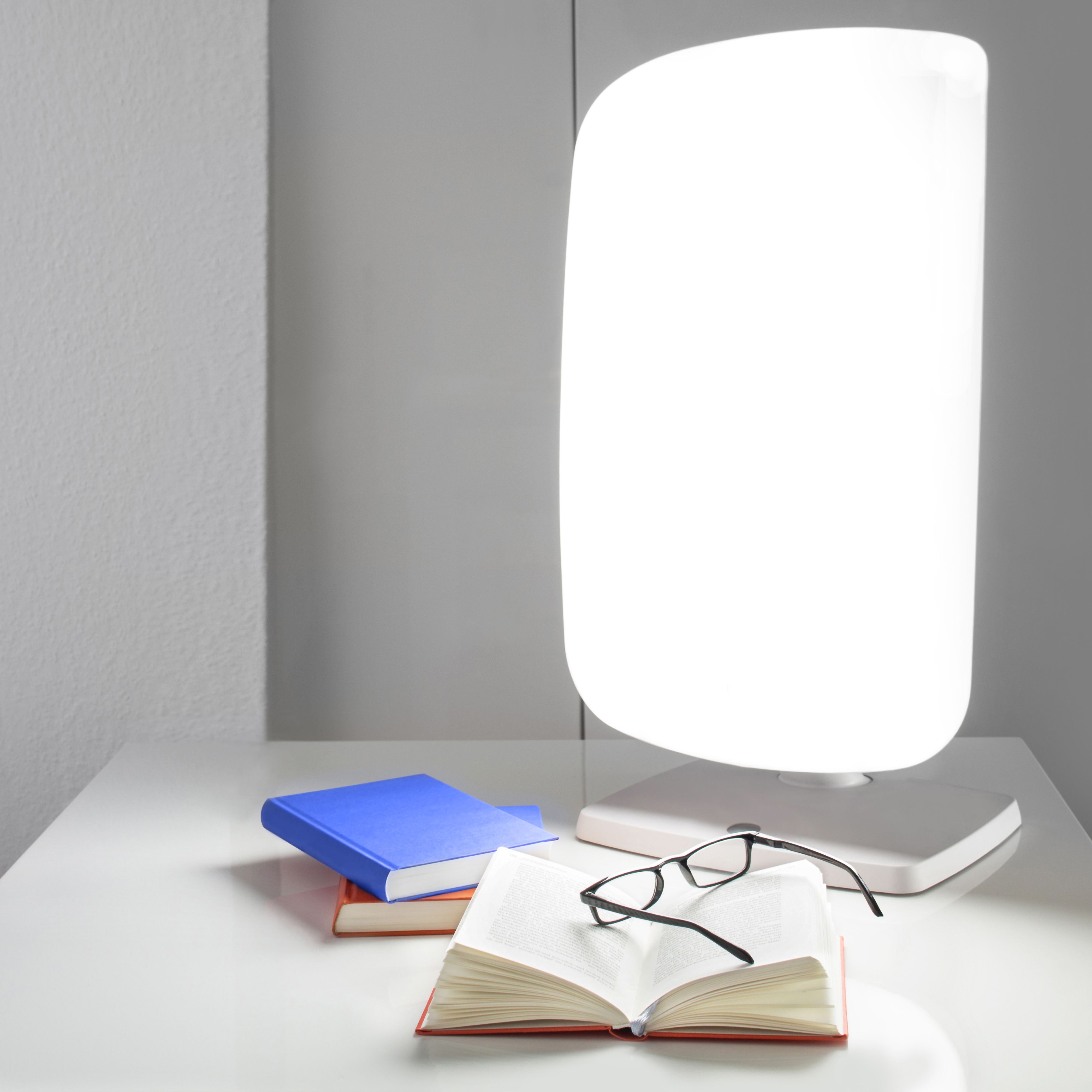
Light therapy involves using a light box that mimics natural sunlight. It has been shown to be highly effective for many people experiencing SAD. Aim for 20 to 30 minutes of light exposure each morning to help regulate your mood and sleep patterns.
Stay Active
Regular physical activity can significantly improve your mood and energy levels. Exercise releases endorphins, which act as natural mood lifters. Try to incorporate activities you enjoy, such as walking, jogging, or yoga, into your daily routine.
Mindful Eating and Nutrition
Eating a balanced diet can also play a vital role in managing seasonal depression. Focus on consuming a variety of fruits, vegetables, whole grains, and lean proteins. Limit your intake of sugar and processed foods, as they can lead to energy crashes and worsen depressive symptoms.
Consider incorporating foods rich in omega-3 fatty acids, such as fish and walnuts, which have been linked to improved mental health. Staying hydrated is equally important, so make sure to drink plenty of water throughout the day.

Connect with Others
Social support is crucial when dealing with seasonal depression. Make an effort to stay connected with friends and family, even if it's just a phone call or video chat. Sharing your feelings and experiences can provide comfort and perspective.
Joining support groups or engaging in community activities can also be beneficial. Being part of a group with similar experiences can help you feel less isolated and more understood.
Seek Professional Help
If your symptoms persist or worsen, it may be time to seek professional help. A mental health professional can offer therapy, medication, or a combination of both to help manage your symptoms effectively. Never hesitate to reach out for assistance when you need it.
Remember, you are not alone in this journey. With the right strategies and support, you can manage seasonal depression and enjoy the winter months to their fullest.