
Overcoming Anxiety: Techniques and Counseling Approaches


Anxiety is a common experience that can affect anyone at any stage of life. While feeling anxious occasionally is normal, persistent anxiety can interfere with daily life and well-being. Understanding and addressing these feelings is crucial for a healthier, more balanced life.
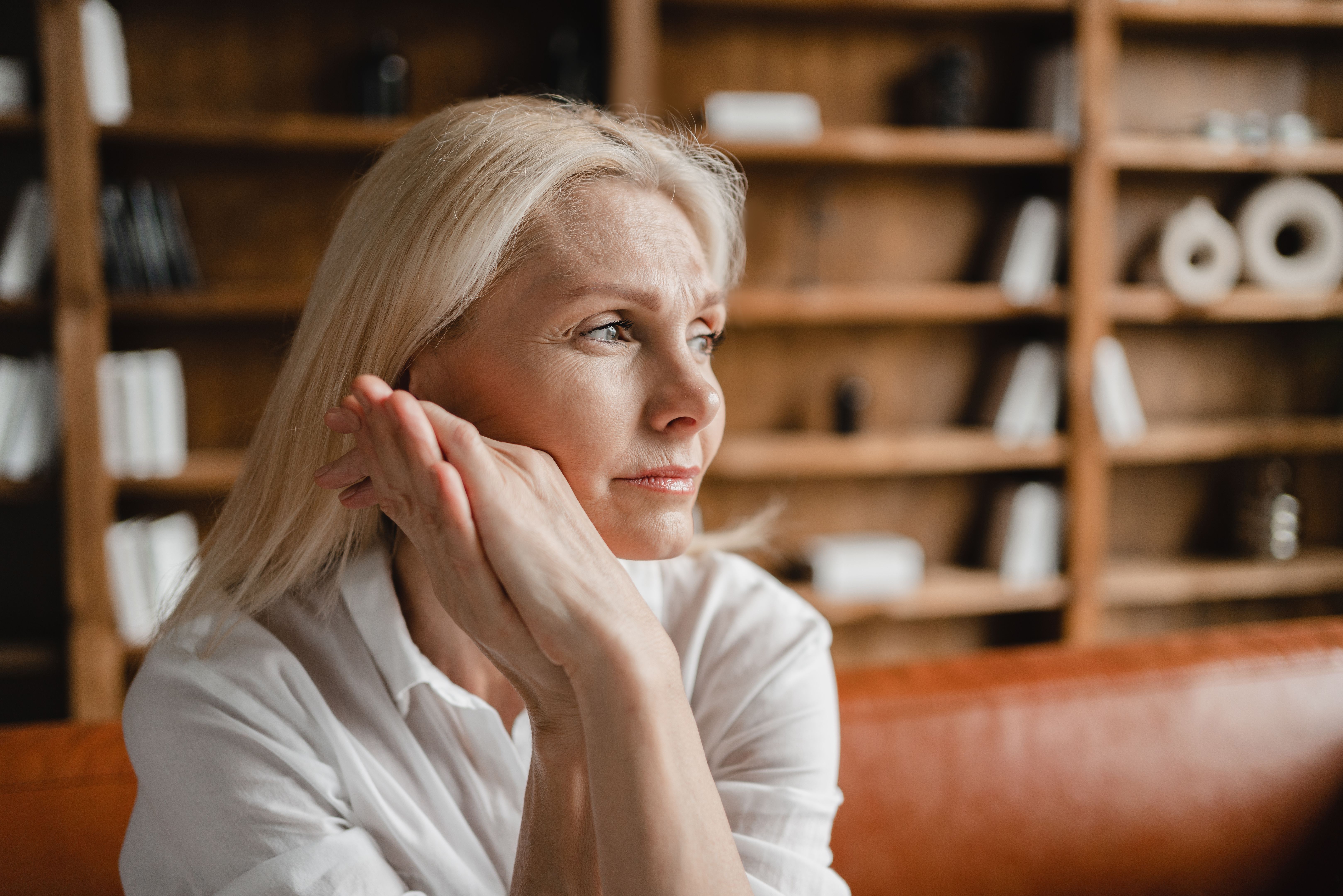
Understanding Anxiety
Anxiety manifests in various forms, from generalized anxiety disorder to specific phobias. It's essential to recognize the symptoms, which may include restlessness, increased heart rate, and difficulty concentrating. By identifying these signs, individuals can seek appropriate help and take steps towards recovery.
Although anxiety can feel overwhelming, it's important to remember that effective strategies and treatments are available. With the right approach, individuals can regain control and live fulfilling lives.
Techniques to Manage Anxiety
Mindfulness and Meditation
Mindfulness and meditation are powerful tools in managing anxiety. Practicing mindfulness involves focusing on the present moment and acknowledging feelings without judgment. This technique can reduce stress and increase self-awareness.
- Start with short meditation sessions.
- Focus on your breath and body sensations.
- Gradually increase the duration as you become more comfortable.

Exercise and Physical Activity
Regular physical activity is another effective way to combat anxiety. Exercise releases endorphins, which are natural mood lifters. It can also serve as a distraction from anxious thoughts and improve overall mental health.
- Choose an activity you enjoy, such as walking, jogging, or yoga.
- Aim for at least 30 minutes of exercise most days of the week.
- Incorporate a variety of exercises to keep your routine engaging.
Counseling Approaches
Cognitive Behavioral Therapy (CBT)
Cognitive Behavioral Therapy is a widely used approach in treating anxiety. It helps individuals identify and challenge negative thought patterns, replacing them with more positive and realistic ones. CBT is effective in reducing symptoms and equipping individuals with coping mechanisms.

Exposure Therapy
Exposure therapy involves gradually exposing individuals to the source of their anxiety in a controlled environment. This method helps reduce fear and avoidance behaviors over time. It is particularly effective for phobias and social anxiety.
Working with a qualified therapist can make a significant difference in managing anxiety. Professional guidance ensures that individuals receive personalized care and support throughout their journey.
Conclusion
Overcoming anxiety is a journey that requires patience and persistence. By incorporating techniques such as mindfulness, exercise, and seeking professional counseling, individuals can effectively manage their symptoms and lead more fulfilling lives. Remember, reaching out for help is a sign of strength, and many resources are available to support you on this path.