
Choosing Between Online and In-Person Counseling: A Comparison


Introduction
When it comes to mental health care, choosing the right type of counseling is crucial. With advancements in technology, individuals now have the option to choose between online and in-person counseling. Both methods have their unique benefits and challenges, and understanding these can help in making an informed decision.
Accessibility and Convenience
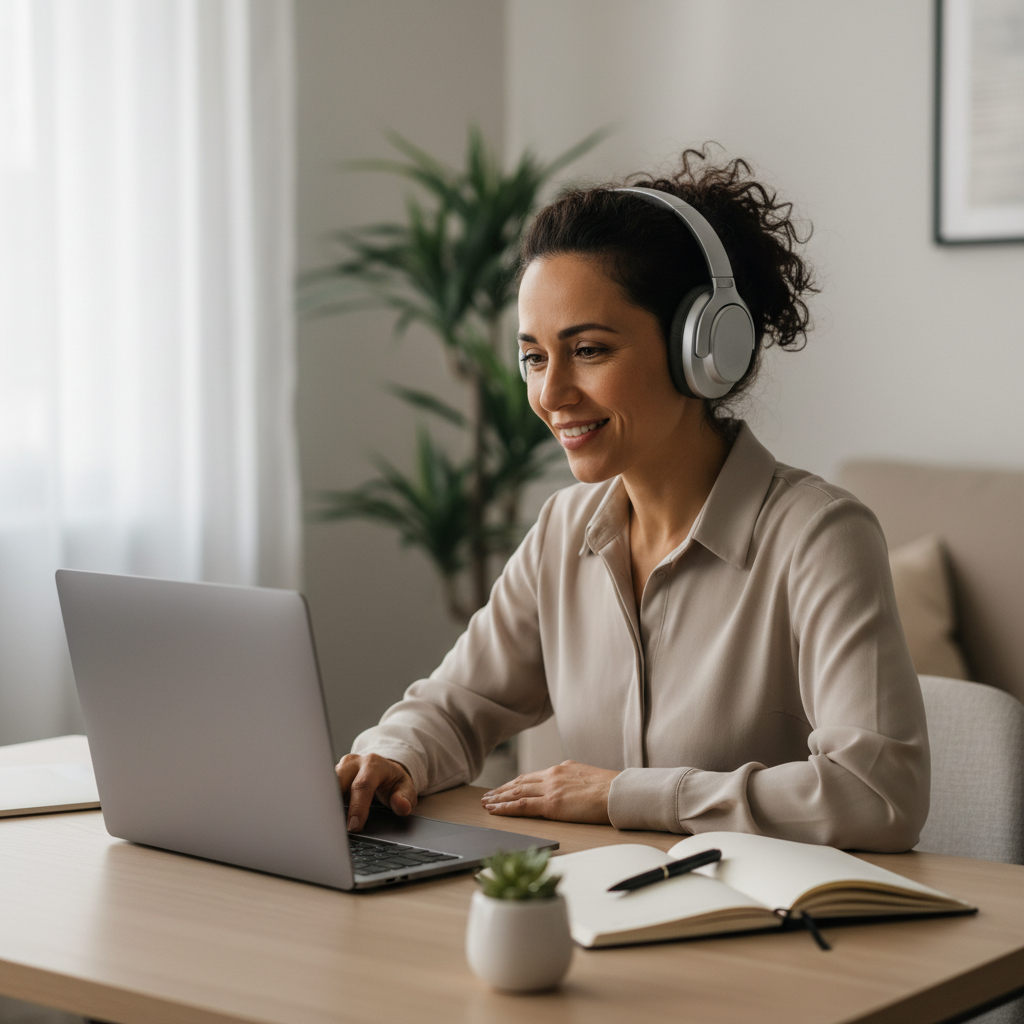
One of the primary advantages of online counseling is its accessibility. It allows individuals to connect with therapists from the comfort of their homes, eliminating the need for travel. This is particularly beneficial for those living in remote areas or with mobility issues.
On the other hand, in-person counseling can offer a more structured environment. The physical setting of a therapist's office may provide a sense of routine and help clients feel more committed to their sessions.
Flexibility
Online counseling is often more flexible than its in-person counterpart. Many platforms offer sessions outside of traditional working hours, which can accommodate those with busy schedules. In-person sessions, however, are typically limited to office hours and may require advanced booking.

Effectiveness and Personal Connection
Both online and in-person counseling have been shown to be effective in treating various mental health issues. However, the level of personal connection can differ. Some people find it easier to open up in face-to-face settings, where non-verbal cues can be more easily interpreted.
Conversely, others might feel more at ease discussing sensitive topics in the perceived anonymity of an online environment. This can sometimes result in more honest and open communication.
Cost Considerations
Cost is another factor to consider. Online counseling can often be more affordable than in-person sessions, as it eliminates travel expenses and sometimes offers lower rates. Many online platforms also provide various payment plans, making mental health care more accessible to a broader audience.
Technology and Privacy
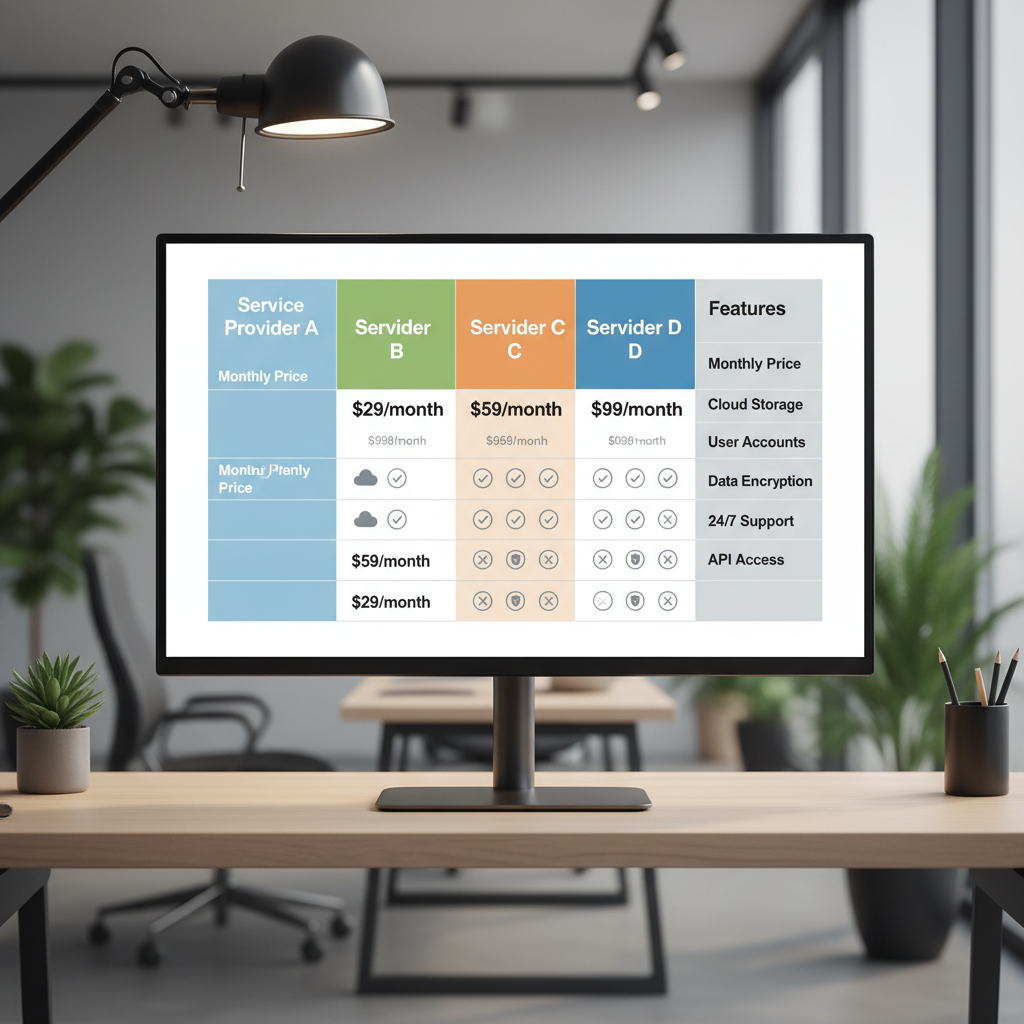
Online counseling relies heavily on technology, which can be both a benefit and a drawback. A stable internet connection is essential, and technical issues can disrupt sessions. However, the use of secure platforms ensures that privacy is maintained, which is a top priority for both online and in-person counseling.
In contrast, in-person sessions do not face these technical challenges but require physical presence, which may not always be feasible for everyone.
Conclusion
Choosing between online and in-person counseling depends largely on personal preferences, lifestyle, and specific mental health needs. Both options have their merits and can be effective in providing the support needed for mental well-being.
Ultimately, the best choice is the one that aligns with your comfort level, convenience, and therapeutic goals. Consulting with a mental health professional can also help in determining which option might be the most beneficial for you.